Chemistry is a multiplier
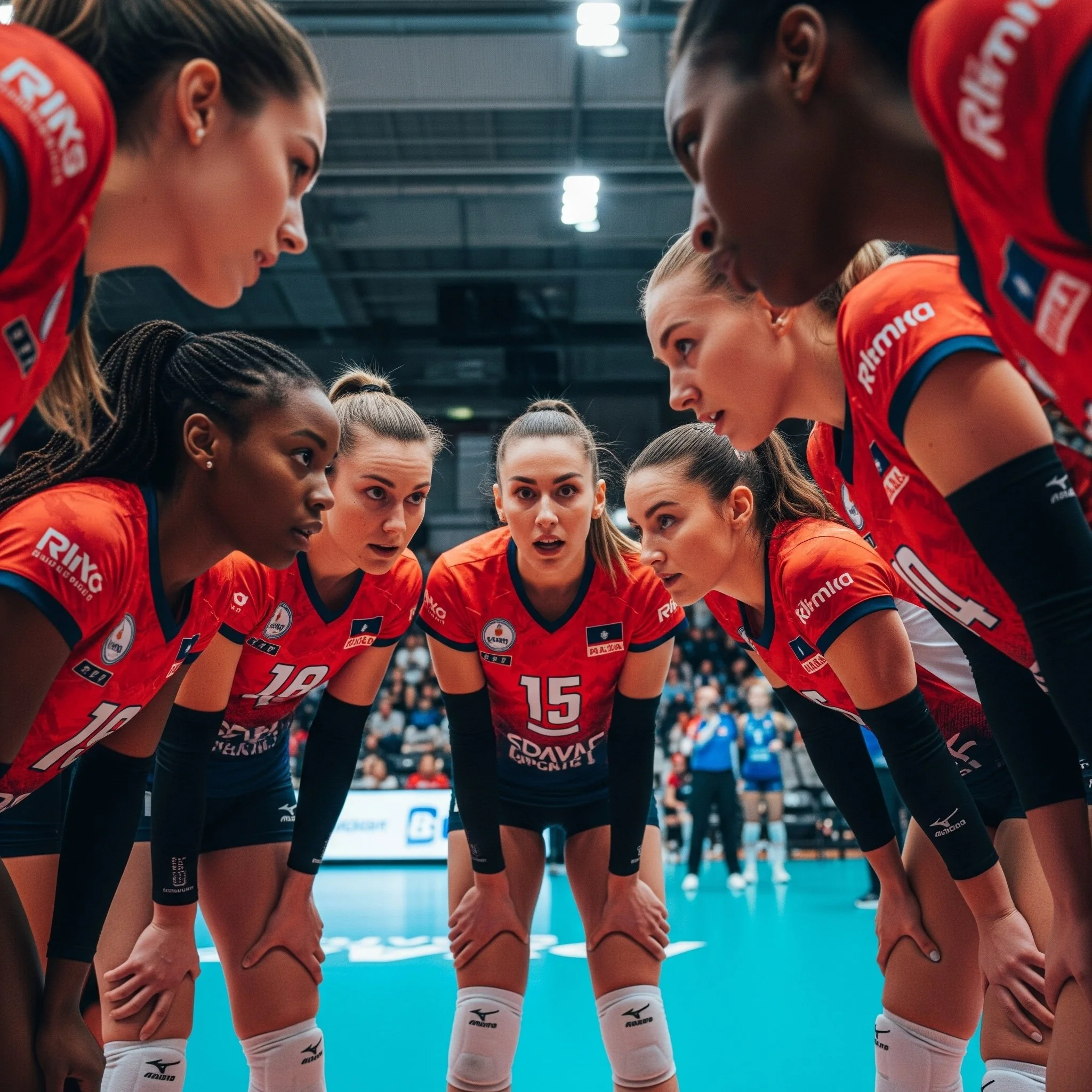
An team is a social contagion.
When players develop a better understanding of the ways in which their behavior and personalities impact one another, teams can better influence outcomes. Heightened levels of understanding boost their ability to react to and proactively control situations that may enhance or disrupt team chemistry.

The impact of the the brain on performance.
Team chemistry is an interplay of physiological, social, and emotional forces that elevate performance. Most of these factors are influenced by brain chemistry (e.g., oxytocin for trust, dopamine for motivation, etc.). With a basic understanding of our brains, an individual gains the self-awareness to proactively influence individual and team chemistry.
The study of group dynamics
Team chemistry has been studied for over 150 years. The conclusion: People in groups are more willing to give more effort if they are invested in one another.
1850s - Sociology is born as studies emerge exploring the forces that govern human behavior and interactions.
1920s - Military conducts research on soldiers’ willingness to risk their lives for their comrades.
1940s - Father of social phycology, Kurt Lewin, coins the term "group dynamics."
1950s - Studies explore the impact of social interactions on learning and development.
1970s - Complexity theory introduces suggests group outcomes emerge from local interactions.
2000s - Neuroscience explores the influence of trust and cooperation on human biology and performance.
2020 - Joan Ryan releases "Intangibles” exploring the influence of team chemistry on athletic performance.
2024 - Team Chemistry Design is founded.
The power of collective design
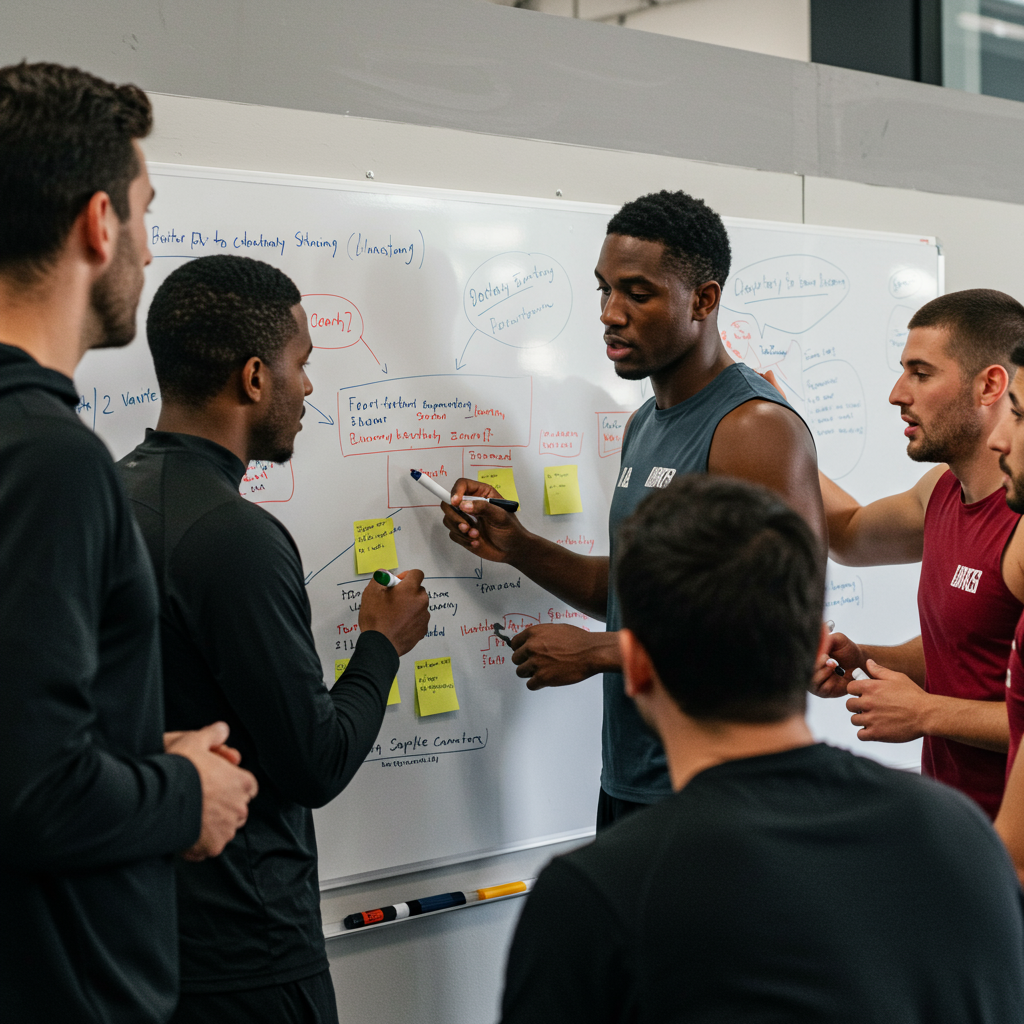
In applying user experience design principles, teams can manifest the team chemistry they aspire to have. Using techniques such as reflection, brainstorming, and design - teams come together to form a collective experience where every player is bought in and committed to co-designed, shared goals.
Meet The Team
-
Co-Founder
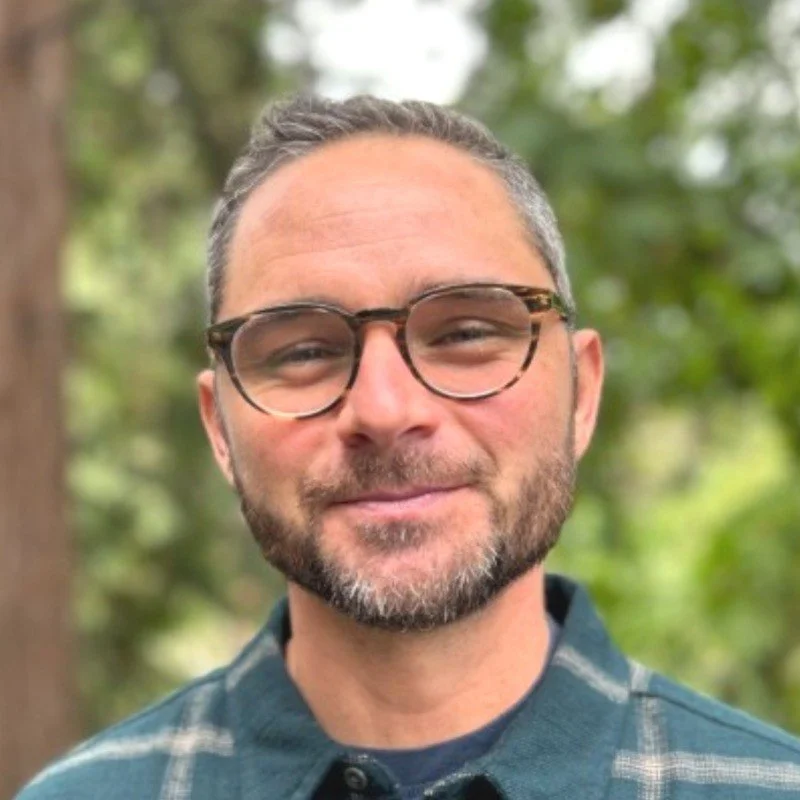
Mike is an experienced facilitator and educator excited by what emerges when individuals come together to form a team. For 15+ years he has supported teams within some of the world’s most innovative brands, including Google, Kiva and Hilton reimagine what it looks like to work together.
-
Co-Founder
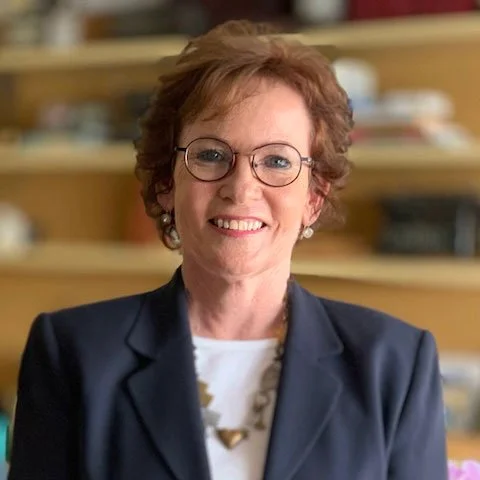
Joan is an award winning author and sports journalist. Her most recent of five published books, "Intangibles: Unlocking the Science and Soul of Team Chemistry'' features interviews with Steve Kerr, Barry Bonds and General Stanley McChrystal— to understand the seemingly indefinable phenomenon called team chemistry. Ten years in the making, Intangibles makes the case that team chemistry is a biological construct with a single function: to elevate performance.
-
Head of Marketing
Brynn holds degrees in pshchology and marketing management from the University of Hawai’i. As a former collegiate athlete, she is driven to apply her understanding of human behavior and strategy in impactful, real-world settings.